A boy visited the grave of his foster mother, whom he disliked during her lifetime, and discovered an envelope with his name written on it
A boy went to see his foster mother’s grave, whom he had resented while she was alive, and found an envelope addressed to him
Thirteen-year-old Stuart had closed himself off emotionally, refusing to accept his adoptive mother’s affection. His hostility toward her persisted even after her death. One day, he came across a letter addressed to him at her tomb, containing a truth that broke his heart and made him cry.
The linoleum floor of the children’s home squeaked under five-year-old Stuart’s worn shoes. His tiny hand clutched a battered teddy bear, its fur faded and tangled like a shield guarding him from the world.
While the other children played happily nearby, Stuart stayed apart. Their laughter and cheerfulness hurt like sandpaper on raw skin. He believed himself unwanted and prepared himself for a life of loneliness.
His eyes, tired and deep for a child so young, had seen too much. Many hopeful couples had come and gone, but no one had shown interest in adopting him. Probably because he was too shy and gloomy, or maybe because he didn’t match the ideal picture of a perfect child.
Then one day, a woman named Jennifer arrived at the shelter. She was immediately drawn to Stuart. Her heart caught in her throat as she looked at him. She saw more than just a child. She saw a wounded spirit and a heart longing to be understood.
Her life had been filled with struggles: long night shifts, money problems, and loneliness. But something about Stuart spoke to her in a language beyond words.
She softly said, “Hi,” careful not to startle him.
Stuart suddenly looked up, his body tensing. He thought it would be another disappointment. Another hope about to be crushed.
He had learned to interpret adults’ fake smiles and rehearsed kindness. His teddy bear pressed close to his chest, his only friend.
“Are you just going to look at me and leave?” Stuart asked quietly, his voice fragile like a cub’s growl.
Jennifer’s heart broke. She knelt down slowly, understanding that quick movements could break the fragile moment.
“No, not at all. I’m Jennifer. I promise I’m not here to just look and go.”
Stuart’s big, cautious eyes studied her. Years of disappointment told him that promises often meant nothing.
“Would you like to come with me?” Jennifer asked, offering her hand just a little way away, respecting his space.
A battle took place inside Stuart’s small heart. Hope fighting against fear of abandonment. Trust battling heartbreak.
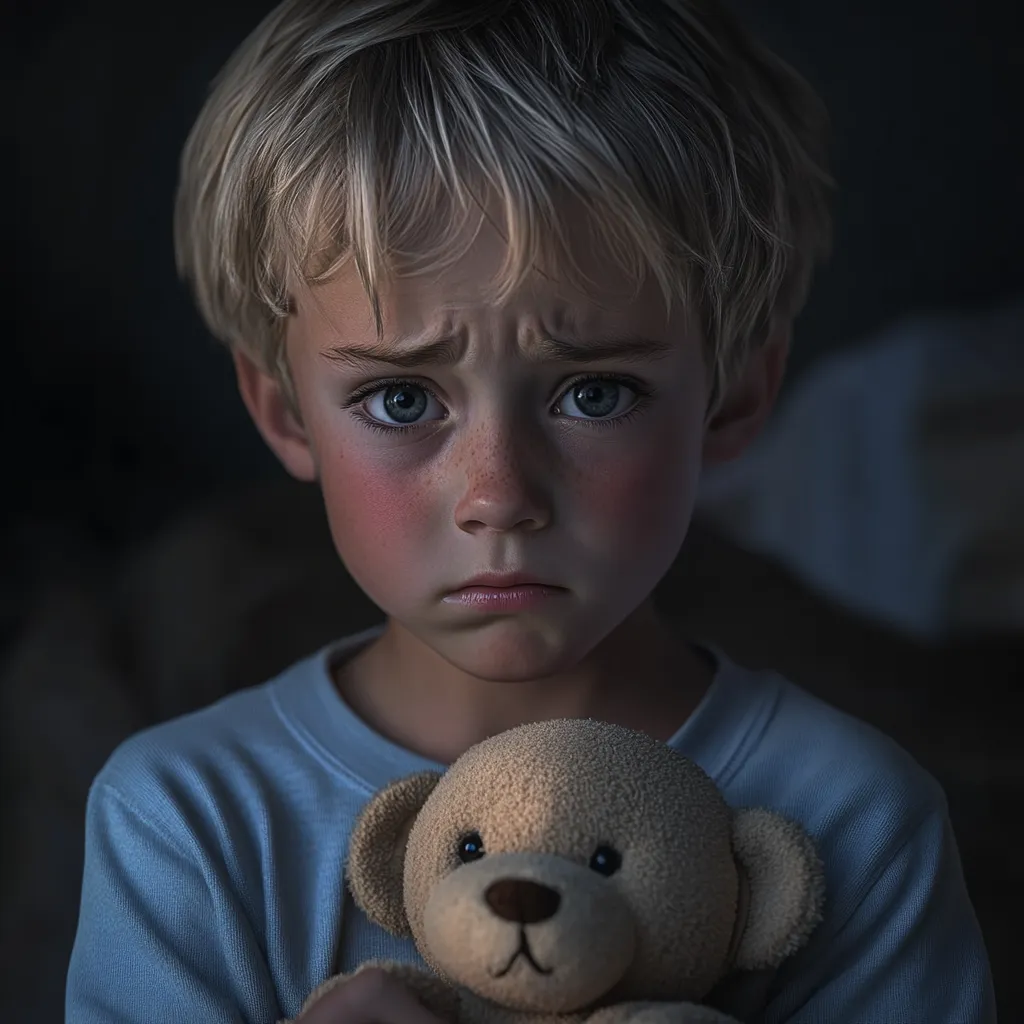
He whispered, “You really want me?” tears just about to fall. “Everyone says I’m a gloomy kid.”
Jennifer saw past the frightened boy and into a soul desperate for love and connection.
“More than anything,” she said, her eyes shining, “more than you could ever realize.”
Stuart didn’t know that Jennifer wanted him more than he could imagine. Not just as someone to adopt, but as the very reason she existed.
The teddy bear squeezed a little less tightly. A tiny, barely noticeable crack appeared in Stuart’s emotional defenses.
Hope, fragile and trembling, started to take hold. The adoption was completed and Stuart finally had a loving home. Still, he refused to accept Jennifer as his mother, keeping his heart guarded.
She felt hurt by his resistance. He wouldn’t even call her “Mom.” Just Jennifer. She hoped that with time, healing would come.
But the years went by like a rushing stream, testing Jennifer’s patience and Stuart’s wounded heart. The shield of loneliness he had built in the shelter grew taller and stronger with each passing year.
She didn’t give up. She kept trying, holding onto hope for a miracle.
Homework time would often turn into a fight.
“I don’t need your help,” Stuart argued. His backpack would fly across the room, papers flying everywhere.
Jennifer stayed calm, collecting the scattered sheets. “I just want to help you.”
“Don’t call me that,” Stuart shouted. “My real mom would have understood me. She would know what I need without me saying! You’re NOT my real mom.”
These words cut deep, but Jennifer’s love remained strong. She knew his harsh words were just a shield, a way to push her away and protect himself from pain.
One day, she gently said, “Your algebra looks tough. Want to talk about it?”
“No,” Stuart, now ten, turned away, his shoulders stiff with defiance. “You wouldn’t understand. You’re not—”
“Not your real mom,” Jennifer finished softly, smiling sadly. “I know.”
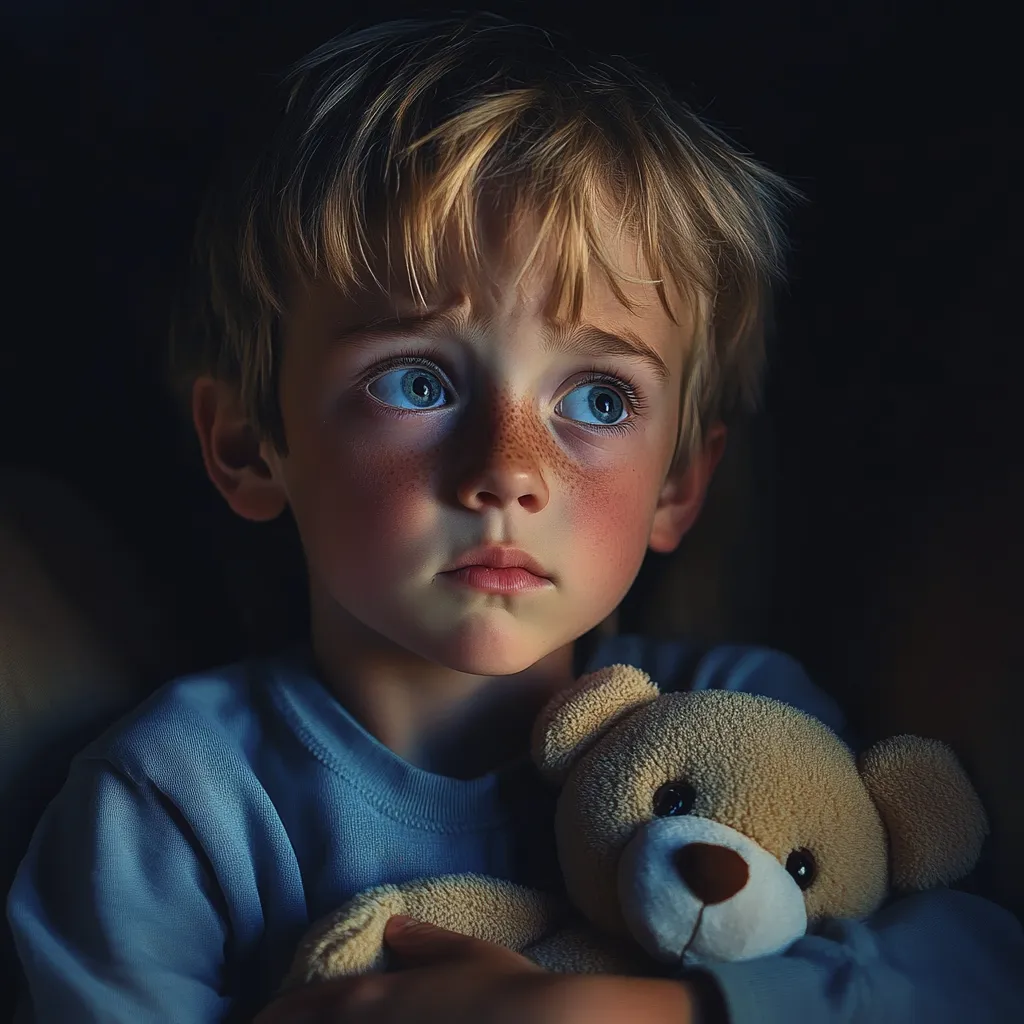
Her eyes told a different story. Every angry word was just a piece of his effort to stay guarded, a sign of his fear of accepting love.
Later that night, Jennifer sat beside Stuart’s bed. He pretended to sleep, but she could tell he was awake. Her hand hovered near him, offering silent comfort.
“I might not be your real mom,” she whispered, “but my love for you is real.”
Stuart inhaled sharply.
“Go away,” he mumbled, but the hurt and vulnerability were clearer than ever.
Jennifer felt her own pain. She longed to pull him into a hug. To explain that her love went deeper than he could understand. But fear held her back—fear she would lose him forever.
“I’ll always be here,” she whispered and left quietly. “Always.”
That night, Stuart clutched his old teddy bear—the one Jennifer had kept safe all these years. It was a silent witness to a love that was complicated but real.
The silence of the night held their unspoken feelings—the love, the pain, the longing to connect, and the fear of losing it all.
Years passed like leaves on the wind. One day, a sharp diagnosis shattered Jennifer’s world: stage four, terminal cancer.
The doctor’s words echoed in the sterile room, but Jennifer’s mind was elsewhere.
Stuart, now 13, sat across from her, arms crossed, hiding the storm of emotions beneath his teenage exterior.
She softly began explaining practical matters—how to do laundry, cook simple meals, and manage small chores. Each instruction was a quiet sign of love.
“You’ll need to learn to care for yourself when I’m gone,” she said, handing him a folder with important documents and contacts.
“Stop!” Stuart snapped, tears threatening but never falling. “Don’t act like you’re already gone.”
The room grew quiet. Jennifer’s eyes filled with love and sadness.
“I want to protect you,” she whispered. “I’ve always been trying.”

He ran out of the room, struggling to hold back tears. The thought of being left alone again crushed his heart.
About a month later, Jennifer died from cancer.
At her funeral, Stuart stood silently. The world spun around him. People whispered and cried, sharing memories. But he felt detached, like a statue made of grief and anger.
Jennifer’s best friend Carol watched him carefully. She remembered Jennifer’s last wish—an urgent promise to help him understand.
“Promise me you’ll show him how much he was loved,” Jennifer had begged her. “Promise to be there and care for him like family.”
Carol approached Stuart after the service. His eyes were dry, no tears, just emptiness that scared her.
As the casket was lowered, something inside him began to crack, slowly, almost invisibly.
She spoke gently, “Your mother loved you more than you can imagine.”
“Don’t,” he cut her off. “Just don’t.”
He returned home under heavy silence. Jennifer’s voice calling him to dinner haunted him, as did her baked pies. The house was filled with memories and ghosts of her warmth.
In his room, he found her last words, written in her diary:
“My dearest Stuart, I love you more than words can say. You are my world, my heart. Always & forever, Mom.”
He threw the diary onto his bed, refusing to cry. But beneath his anger, something had begun to grow—a tiny seed Jennifer had planted in his heart, nurtured quietly by her love.
Nine days after her death, Carol came nervously to his room. He was gazing at Jennifer’s photo.
“Before she died,” Carol said softly, “she asked me to do something.” Her trembling fingers touched his wrist. “Nine days after she passed, I was to leave her a gift at her grave.”
He looked at her with wide eyes. “What is it?”
“She left something there just for you. You need to see her, hear her words.”
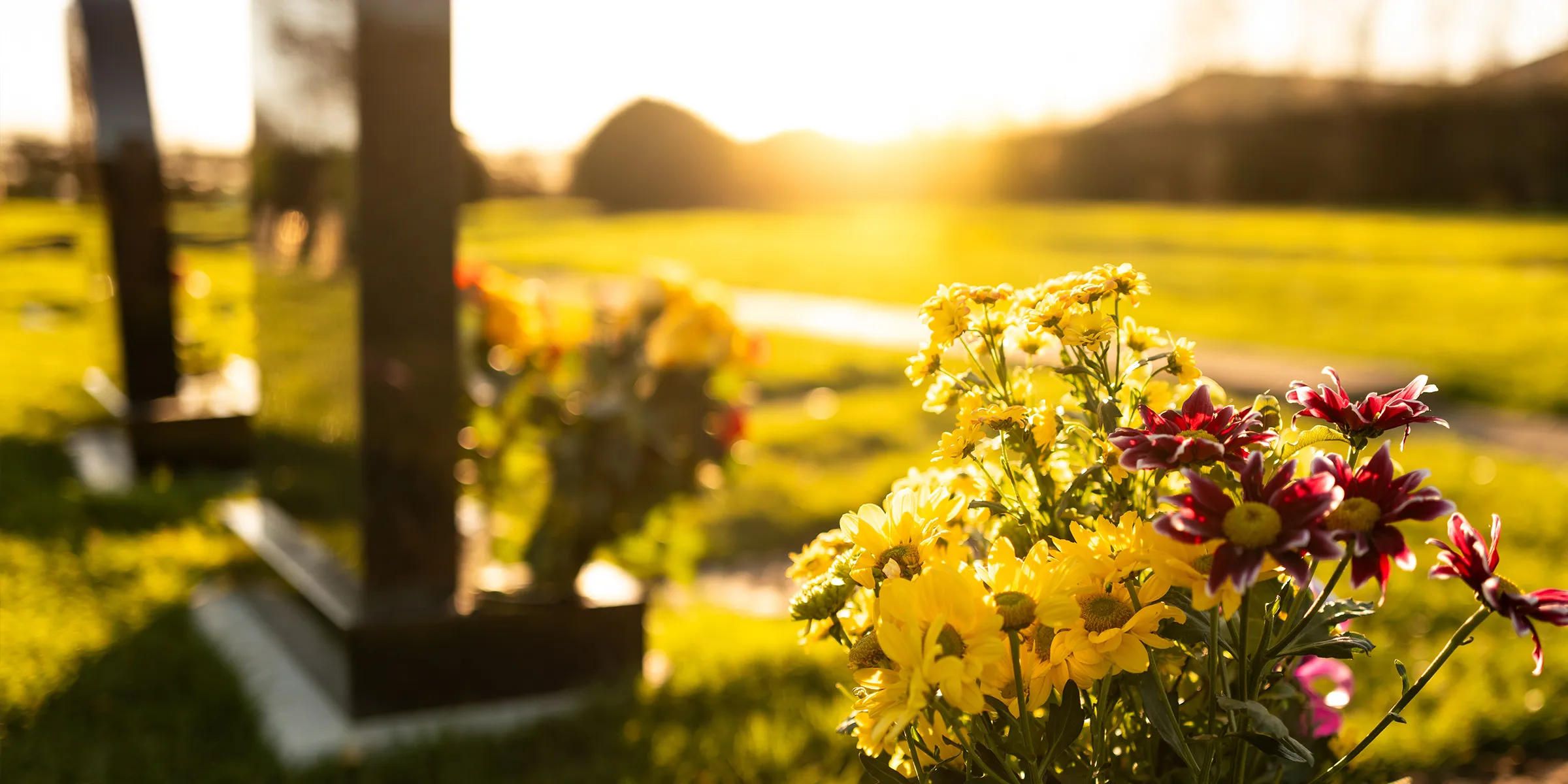
Reluctantly, Stuart made his way to the cemetery. As he approached Jennifer’s grave, tears welled up when he saw an envelope resting on her headstone.
It was pristine, addressed in her familiar handwriting.
He tremblingly opened it and began reading:
“From your biological mother.
My dearest Stuart,
On the day I gave birth to you, I was just 19. Your father, who promised me everything, vanished as soon as he found out I was pregnant. I was alone, scared, with only broken dreams and a baby I loved more than anything. I left you at the shelter’s doorstep because I believed it was best._
The five years you spent there crushed my heart. Every night, I wondered if you were warm, loved, safe. I worked three jobs, saving every penny so I could bring you home._
When I finally adopted you, I saw a hurt boy—abandoned, rejected. I couldn’t tell you the truth then because your wounds were fresh._
So I became your adoptive mother—someone who would love you unconditionally. Who would accept your anger and your pain. Who would wait patiently for you to understand._
I am not just your adoptive mother. I am your biological mom. I have always been your real mother._
I loved you before you were born. I loved you through every harsh word. I love you still… from beyond._
Forgive me. Please._
Your mother,_
Jennifer”_
Tears spilled onto the paper. Time paused as memories flooded him—her patience, her quiet love, the old teddy bear she kept. Every detail flooded back.
“Mom,” he whispered softly, voice choked with emotion. “I’m sorry. I love you. I didn’t know how to show it. I was afraid—of losing you, being abandoned again. I didn’t do it on purpose. And I didn’t know you were my real mom. Please forgive me.”
He gently laid the letter back into the envelope and softly kissed her gravestone. Whispering, “Love you, Mom,” he left the cemetery with tears in his eyes.
From that day, Stuart began visiting her grave daily. Not out of obligation, but because he finally understood love—silent, patient, unconditional. A love that had waited through every rejection, every harsh word, and every moment of denial—a love that would never end.